November 18, 2026
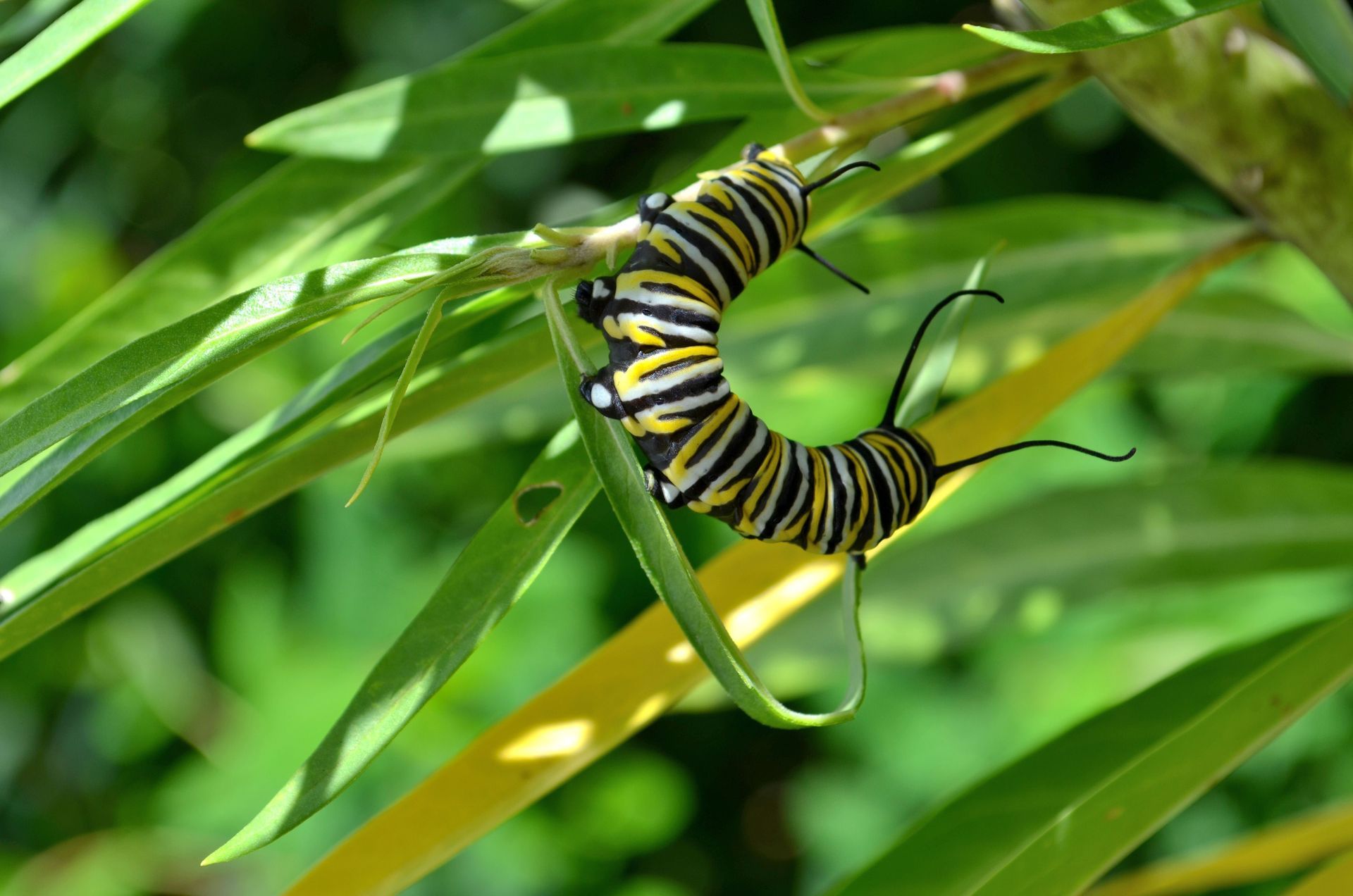
Milkweed does more than add summer flowers to a garden. It provides the leaves monarch caterpillars need to develop, while its blossoms offer nectar to butterflies, bees, and other insects. Still, a healthy planting depends on more than putting a few seedlings in the ground. Sun exposure, drainage, watering, and nearby vegetation all shape how well milkweed grows. Different species have different preferences, too. These five steps help gardeners choose suitable conditions, avoid unnecessary work, and make their yards more welcoming to pollinators.
1. Choose the Right Species and a Sunny Location
Begin with a simple question: Which milkweed naturally belongs in your region? Common milkweed, butterfly weed, and swamp milkweed differ in their mature size, moisture preferences, and growth habits. Selecting a locally native species makes it easier to provide the conditions it needs and support wildlife adapted to the area. A knowledgeable garden center can help identify suitable choices rather than assuming that every variety behaves the same way. If uncertain, consult a regional native-plant reference to confirm a species belongs in your area.
Most commonly grown native milkweeds flower best with plenty of direct sunlight. Observe the proposed planting site over an entire day, taking into account shade from buildings, fences, and trees. A space that looks bright in early spring might become shaded when neighboring shrubs leaf out. Avoid planting directly beneath dense tree canopies or beside fast-growing plants that will crowd out young stems.
Think about mature growth before digging. Common milkweed spreads through underground rhizomes and may form a colony, making it better suited to a naturalized border than a tightly controlled bed. Give milkweed plants enough room to develop without blocking paths or crowding smaller flowers. Mark the planting area so emerging shoots are not accidentally removed during spring cleanup.
2. Match Soil Conditions and Allow Water to Drain
Soil matters, but milkweed usually does not require the rich, heavily amended ground used for some vegetables or ornamental flowers. According to The Spruce, common milkweed grows best in well-drained dry to medium soil and can tolerate rocky or nutrient-poor conditions, with a pH range of 4.8 to 7.2. That adaptability makes it useful in sunny spaces where other plants may struggle.
Before adding compost or fertilizer, check the site after rainfall. If water remains pooled for long periods, the location may be unsuitable for species that need good drainage. A soil test can help explain persistent problems, but fertilizer should not be an automatic part of the planting plan. Excess nutrients are unlikely to solve issues caused by shade, crowding, or saturated soil. In a challenging location, choosing a different species can be more effective than extensive amendments.
These recommendations apply to common milkweed, not every member of the genus. Swamp milkweed, for example, prefers consistently moist soil and may grow well where common milkweed struggles. Instead of forcing the ground to fit a particular plant, look for a species that fits the site's natural moisture pattern. Well-matched milkweed plants generally need fewer corrections after establishment, saving effort while supporting healthy root development.
3. Water Thoughtfully and Reduce Competition
Newly planted milkweed needs consistent attention while its roots settle into the surrounding soil. Check moisture beneath the surface rather than watering automatically every morning. If the root zone is drying out, water slowly and thoroughly, then let excess moisture drain away. Young plants may need more frequent checks during hot or windy weather, especially in sandy soil.
Established common milkweed plants can tolerate periods of dryness, although prolonged drought may still affect their growth. Wilting does not always mean the soil is dry; roots in overly wet soil can also struggle. Feel the soil before deciding what to do. A soaker hose or drip line can direct moisture toward the root area without unnecessarily soaking foliage.
Weeds are another early challenge. Aggressive grasses and fast-growing invaders compete for light, moisture, and space before milkweed becomes established. Remove them carefully by hand, keeping disturbance near the roots to a minimum. A modest layer of mulch between plants may suppress weeds, but keep it away from crowns and emerging shoots. Avoid repeated tilling, which can damage roots or encourage unwanted spreading in rhizomatous species. Thoughtful watering and light-touch weed control give milkweed plants a better start without turning the bed into a high-maintenance project.
4. Manage Pests Without Harming Monarchs
Finding insects on milkweed is usually a sign that the planting is part of an active ecosystem, not evidence that something has gone wrong. Aphids may cluster on tender stems, while milkweed bugs and other insects use the plant in different ways. Small populations often cause limited damage, and natural predators can help keep pests in balance. Watch the plant's overall health before deciding that intervention is necessary.
The most important precaution is protecting monarch eggs and caterpillars. They may be present on the undersides of leaves or hidden among new growth. Broad-spectrum insecticides can harm them, and even products described as natural, including insecticidal soaps and oils, can injure beneficial insects when applied directly. Avoid routine spraying, and ask whether purchased plants were treated with long-lasting systemic insecticides.
If foliage looks spotted, yellow, or distorted, identify the likely cause before cutting or treating it. Poor drainage, drought stress, and ordinary seasonal aging can resemble pest damage. Remove only material that genuinely needs attention, checking it first for developing monarchs. Healthy milkweed plants do not need to look flawless. A few chewed leaves can mean the garden is doing exactly what it was intended to do: feeding wildlife.
5. Add Companion Flowers and Plan Seasonal Care
Milkweed is valuable as a host plant, but monarchs and other pollinators also need nectar across the growing season. Choose regionally native flowers that bloom before, during, and after milkweed. Depending on local conditions, that might include early spring flowers, summer coneflowers, and fall asters. A mix of bloom times helps provide food when individual plants are not flowering. Consider how the surrounding neighborhood contributes to available habitat, too.
Arrange companion plants so taller species do not shade younger milkweed plants. Grouping flowers in visible clusters can make resources easier for pollinators to find, while leaving some undisturbed areas provides habitat for insects. Avoid pesticides wherever possible, and remember that a pollinator garden need not look like a perfectly manicured flower bed.
Seasonal care can be simple. Common milkweed may emerge later than nearby perennials, so mark established planting areas before spring cleanup. Let healthy foliage remain while monarchs may still be laying eggs or feeding. If common milkweed produces seed pods, decide whether the seedlings can spread or whether some pods should be collected before opening. Wear gloves when handling cut stems because the milky sap may irritate skin, and keep plant material away from children and pets because it is toxic if eaten. Observe what worked each season, then make small adjustments rather than overhauling the bed.
Help Your Milkweed Garden Thrive
A successful planting starts with the right species, adequate light, suitable soil, and careful early watering. From there, limiting competition, protecting caterpillars, and offering nectar across the seasons can help sustain the habitat. For advice on choosing locally appropriate
milkweed plants and compatible flowers, visit Deep Roots Garden Center. A few thoughtful choices can create a garden that is easier to care for and more useful to wildlife year after year.