June 15, 2026
Explore the art of creating beautiful gardens that not only enhance the visual appeal of a space but also support and preserve the planet. Sustainable gardening focuses on thoughtful choices that protect soil, conserve water, support pollinators, and reduce unnecessary waste. With the right planning, even a small yard, patio, or community plot can become a healthier outdoor space that works with nature instead of against it.
Sustainable Gardening Basics
Sustainable gardening involves creating a garden that is in harmony with the natural environment. It emphasizes environmentally friendly practices that preserve natural resources, reduce waste, and support a balanced ecosystem. Incorporating native plants, conserving water, building healthy soil, and promoting biodiversity are key principles. The ultimate goal is to create a beautiful and resilient garden that supports local wildlife while requiring fewer outside inputs over time.
One important aspect of sustainable gardening is working with nature rather than against it. This means understanding sunlight, drainage, soil type, seasonal patterns, and local wildlife before making major design choices. When gardeners choose plants suited to the local climate and soil conditions, the landscape often becomes easier to maintain. A sustainable garden is not only attractive but also practical, efficient, and better prepared for environmental stress.
Biodiversity And Garden Resilience
Biodiversity is essential for a thriving and resilient garden. A diverse garden supports many forms of life, including birds, butterflies, bees, beneficial insects, and soil organisms. These species help with pollination, pest control, decomposition, and nutrient cycling. When a garden includes trees, shrubs, flowers, ground covers, and grasses, it creates more habitats and food sources than a single-style planting bed.
Integrating native plants is one of the best ways to increase biodiversity. According to the National Wildlife Federation, there are more than 70 species of milkweed native to America, which are vital for monarch butterflies. Adding milkweed plants to a garden can support monarch caterpillars while also contributing to a healthier pollinator habitat. This type of planting helps connect the beauty of the garden with a meaningful environmental purpose.
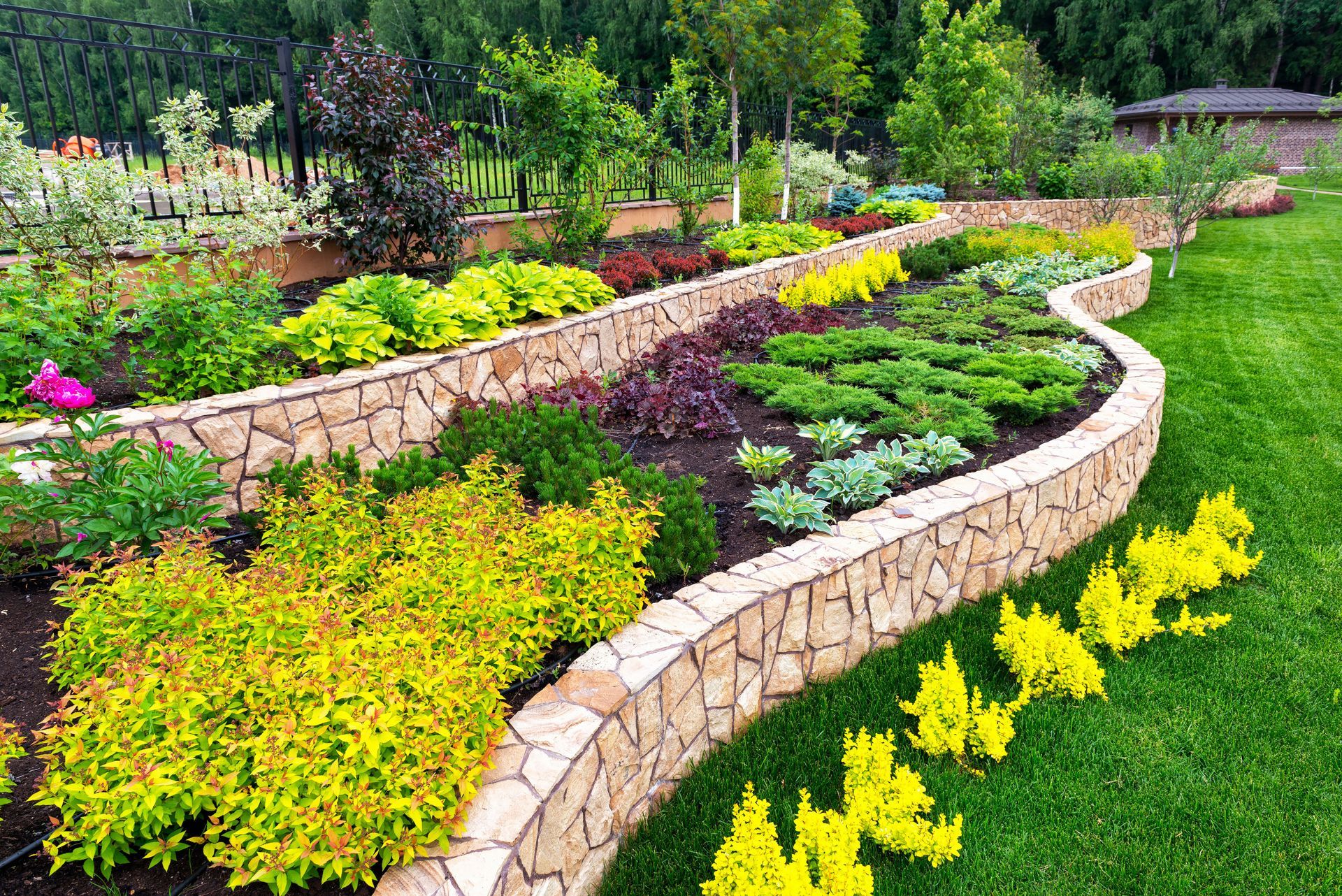
Biodiversity also improves visual appeal. Different textures, bloom shapes, colors, heights, and seasonal changes create a garden that feels layered and lively. A biodiverse garden can offer spring flowers, summer nectar, fall seed heads, and winter shelter. Each species plays a role, whether it feeds pollinators, protects soil, provides shade, or supports beneficial insects. This makes the garden both beautiful and ecologically useful.
Native Plant Selection
Native plants play a crucial role in sustainable gardening because they are adapted to the local climate, soil, rainfall, and wildlife. They often require less water, fertilizer, and maintenance than plants that are not suited to the region. Their natural resilience can help gardeners reduce chemical use and create landscapes that remain healthier through seasonal changes.
Native flowers, grasses, shrubs, and trees also support the insects and animals that evolved alongside them. For example, milkweed plants are especially important because monarch butterflies rely on them during their life cycle. By including native species in the garden, homeowners can create food and shelter for pollinators while maintaining a landscape that feels connected to the surrounding environment.
The aesthetic value of native plants should not be overlooked. They can create a natural sense of place and help the garden reflect the character of the region. Native plantings can be formal, wild, colorful, simple, or highly structured depending on the design. Choosing native plants allows gardeners to combine beauty, function, and sustainability in a way that supports long-term ecological health.
Natural Resource Conservation
Conserving natural resources is a central part of sustainable gardening. Water, soil, and energy should be managed carefully so the garden can thrive without unnecessary waste. Efficient irrigation, rain barrels, mulch, drought-tolerant plants, and thoughtful plant placement can all reduce water demand. These choices are especially important during hot or dry seasons when outdoor water use can increase quickly.
Soil conservation is just as important as water conservation. Healthy soil stores moisture, supports roots, and provides nutrients through natural biological activity. Compost, shredded leaves, aged manure, and organic mulch can improve soil structure while reducing the need for synthetic fertilizers. When soil is protected and replenished, plants grow stronger and the garden becomes more self-sustaining.
Resource conservation also depends on careful planning. Grouping plants with similar water and sunlight needs helps prevent overwatering and stress. Placing shade-loving plants under trees, using ground covers to protect bare soil, and choosing low-maintenance species can reduce labor and waste. Including milkweed plants in pollinator sections can also support biodiversity while fitting naturally into a resource-conscious landscape design.
Garden Planning And Site Assessment
A successful sustainable garden begins with a thorough site assessment. Before planting, observe the garden’s sunlight, slope, drainage, wind exposure, and existing vegetation. Some areas may receive full sun, while others remain shaded for most of the day. Understanding these conditions helps gardeners place plants where they are most likely to succeed.
Soil testing is another helpful step. A soil test can reveal pH levels, nutrient content, and texture, giving gardeners better information before adding amendments. Sandy soil may drain quickly, while clay soil may hold moisture and become compacted. Understanding these differences allows for smarter plant selection and more effective soil improvement.
Garden planning should also consider how the space will be used. Some gardeners want a peaceful seating area, while others want vegetables, herbs, pollinator beds, or wildlife habitat. By combining personal goals with ecological needs, the final design can be both functional and environmentally responsible. A thoughtful plan prevents waste and helps the garden mature successfully.
Sustainable Garden Design
Designing a sustainable garden involves more than arranging attractive plants. It requires thinking about how the garden functions as a living system. Plant layers, water flow, soil protection, habitat value, and seasonal interest should all work together. A well-designed garden can reduce runoff, support pollinators, provide shade, and create beauty throughout the year.
Rain gardens, bioswales, permeable paths, and mulched beds can help manage water naturally. These features allow rainwater to soak into the ground instead of rushing into storm drains. Planting deep-rooted native species can also improve soil stability and water absorption. When combined with milkweed plants, flowering perennials, and native grasses, these features create a landscape that supports both conservation and wildlife.
A sustainable design should also include year-round interest. Seed heads can feed birds, shrubs can provide winter structure, and late-blooming flowers can support pollinators before cold weather arrives. Designing with all seasons in mind creates a garden that remains useful and appealing beyond peak bloom periods. Gardens that feature milkweed plants throughout pollinator beds can continue supporting butterflies while adding color and texture during multiple growing seasons.
Soil Health And Organic Amendments
Soil health is the foundation of sustainable gardening. Soil is made up of mineral particles, organic matter, water, air, and living organisms. When these elements are balanced, plants can establish stronger roots and better resist stress. Healthy soil also supports fungi, bacteria, earthworms, and other organisms that help break down organic matter and recycle nutrients.
Organic amendments are useful for improving soil fertility and structure. Compost adds nutrients, increases moisture retention, and supports microbial life. Mulch helps suppress weeds, regulate soil temperature, and protect the soil surface from erosion. As organic mulch breaks down, it gradually feeds the soil and improves long-term garden health.
Small changes can make a meaningful difference. Adding compost, replacing part of a lawn with native flowers, planting milkweed plants for monarchs, or using mulch to conserve moisture are all practical steps. Over time, these choices can transform an ordinary garden into a healthier ecosystem. Sustainable gardening proves that beauty and environmental responsibility can grow together. Homeowners who regularly care for milkweed plants may also notice increased butterfly activity and improved pollinator diversity throughout the landscape. Contact Deep Roots Garden Center today to get connected with our garden center services.