August 3, 2026
Summer brings longer days, brighter sunlight, and warmer temperatures that can encourage plants to grow quickly. However, intense heat can also create difficult conditions for indoor and outdoor plants. High temperatures increase moisture loss, place additional stress on roots, and can cause leaves to wilt or scorch. The right plant care products can help reduce these problems while supporting healthier growth throughout the season. Choosing products based on a plant’s specific needs is especially important because not every species responds to heat in the same way. According to the University of Connecticut, many common houseplants generally grow well when daytime temperatures remain between 65°F and 75°F. When temperatures rise beyond a plant’s preferred range, careful watering, shading, and soil management become increasingly important. With the right products and consistent care, homeowners can help their plants handle summer conditions more effectively.
Choose Moisture-Retaining Soil Products
The soil surrounding a plant’s roots plays an important role in how well it handles summer heat. High temperatures can cause water to evaporate quickly from exposed soil, leaving roots without enough moisture between watering sessions. Moisture-retaining potting mixes can help hold water longer while still providing the drainage many plants need. Products containing materials such as coconut coir, peat alternatives, or other moisture-holding ingredients may help reduce rapid drying. However, soil should not remain constantly saturated because excess moisture can reduce oxygen around the roots. A well-balanced mix allows plants to receive moisture without creating conditions that encourage root problems. Homeowners should select soil products according to the plant variety, container size, and growing environment. Using the right soil is one practical way to help plants remain more stable during periods of summer heat.
Apply Mulch to Protect Root Zones
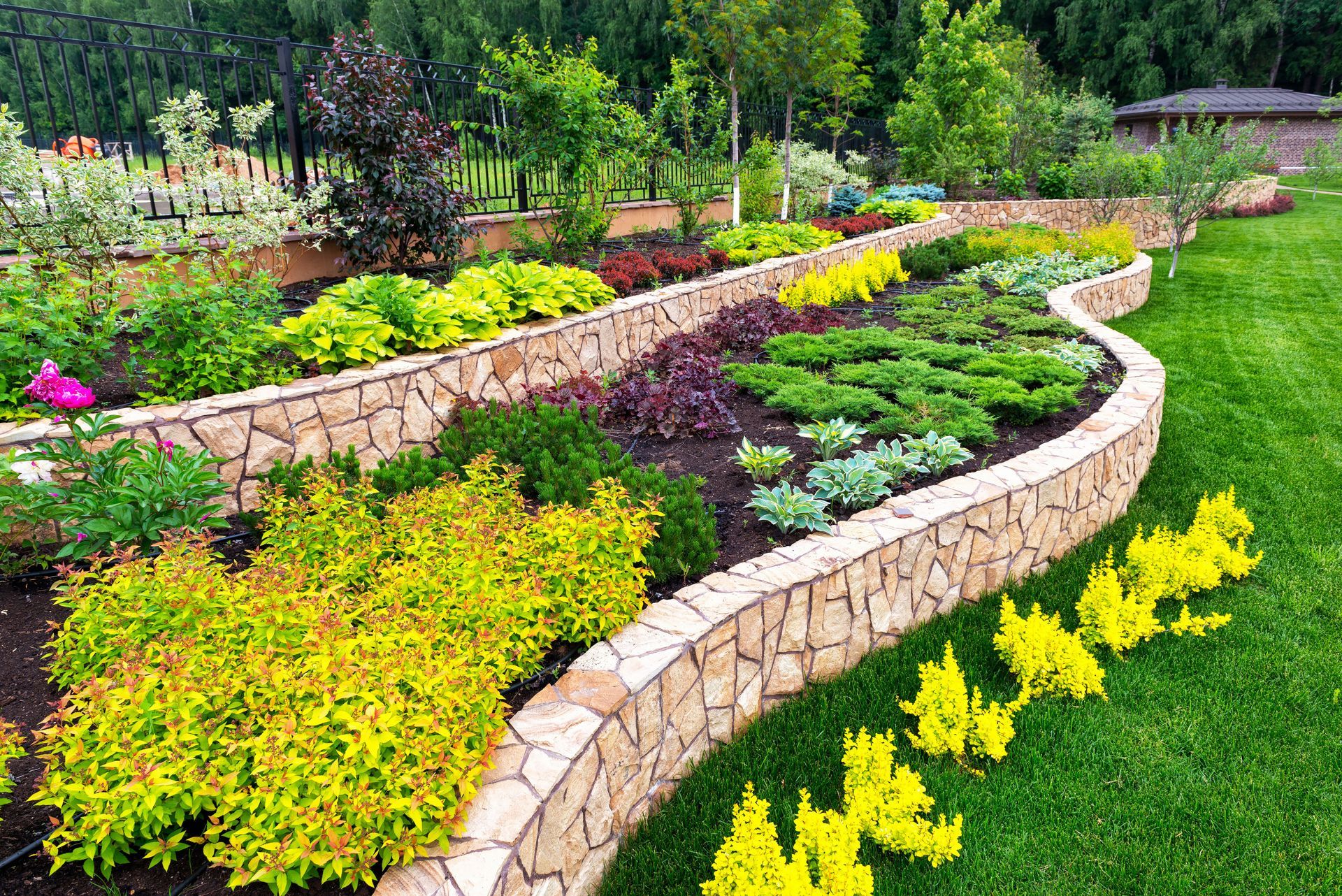
Mulch is another useful product for protecting plants during hot weather. A layer of organic mulch can help reduce the amount of direct sunlight reaching the soil surface. This can slow evaporation and help keep the root zone from experiencing rapid temperature changes. Mulch may also reduce competition from weeds that consume water and nutrients needed by nearby plants. Materials such as shredded bark, wood chips, and composted organic matter can provide different benefits depending on the planting area. It is important to avoid piling mulch directly against plant stems or trunks because excess moisture can create other problems. A properly applied layer should cover the surrounding soil while leaving space around the base of the plant. For guidance on suitable materials, homeowners can visit local garden centers and compare products designed for their specific landscape conditions.
Use Shade Cloth for Intense Sunlight
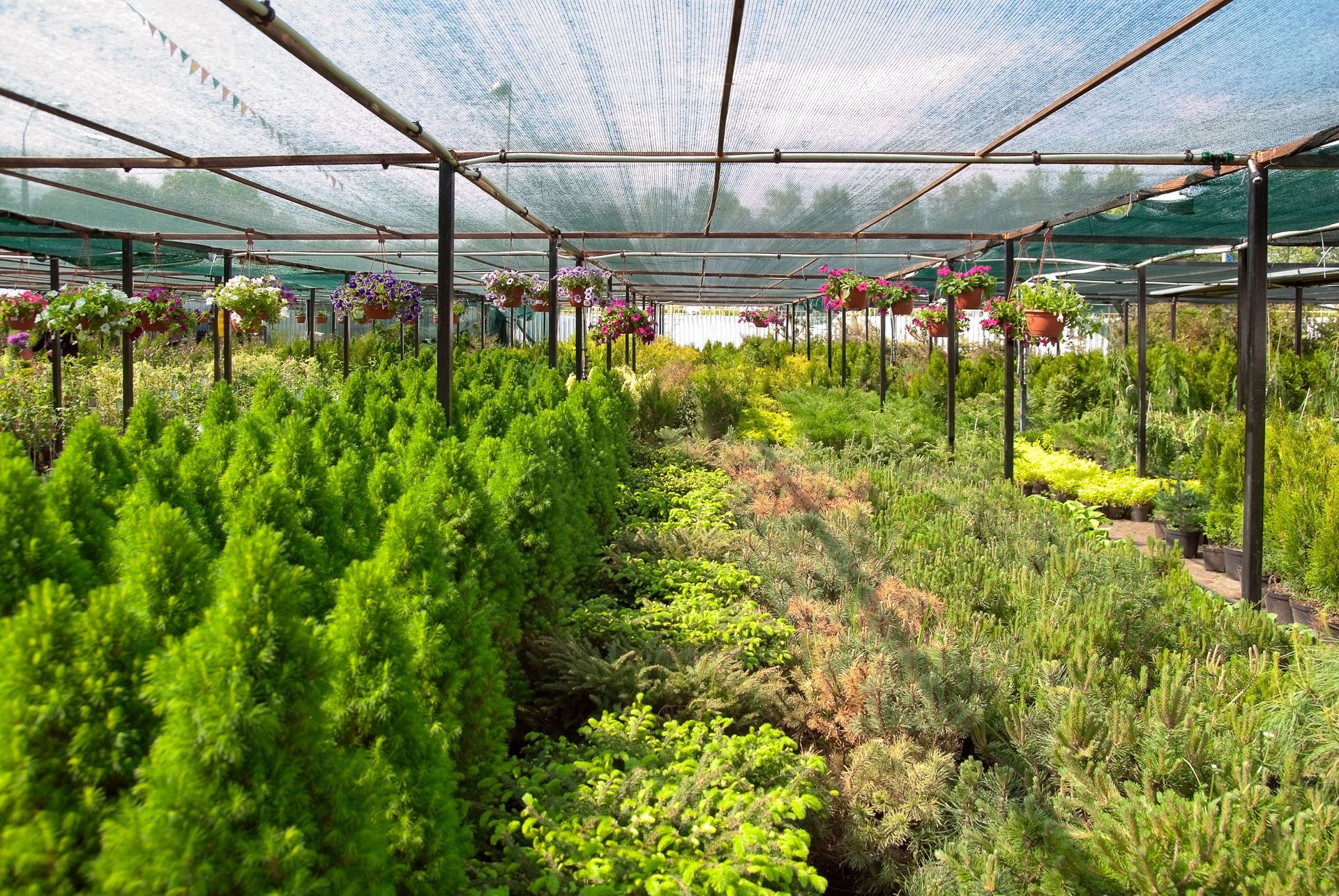
Some plants can experience heat stress when exposed to strong afternoon sunlight during the summer. Shade cloth can provide a physical barrier that reduces the intensity of sunlight without completely blocking necessary light. This product can be especially useful for container plants, young plants, and species that prefer partial shade. Different shade cloth products provide different levels of light reduction, so homeowners should select one that matches the needs of the plants being protected. Homeowners can visit local garden centers to find shade cloth options and receive guidance on choosing products for specific plant needs. A temporary structure can be placed over a garden bed or positioned around containers during the hottest part of the day. Shade should be used carefully because too little light can also affect healthy growth. Plants should still receive enough light to support photosynthesis and normal development. Using shade products strategically can help reduce the stress caused by intense summer conditions.
Install Drip Irrigation Systems
Watering methods can make a significant difference in how plants respond to summer heat. Drip irrigation systems deliver water directly to the soil near the roots instead of spraying large amounts across leaves and surrounding surfaces. This approach can help reduce unnecessary evaporation while providing more consistent moisture. Timers can also help homeowners maintain a regular watering schedule during busy summer periods. However, irrigation systems should be adjusted based on rainfall, soil conditions, plant type, and daily temperatures. Overwatering can be just as damaging as allowing plants to become excessively dry. Checking the soil regularly helps determine whether additional water is actually needed. A properly managed drip system can provide steady support for plants when hot weather increases their moisture demands.
Add Organic Compost to Garden Soil
Healthy soil gives plants a stronger foundation for managing environmental stress. Organic compost can improve soil structure while adding organic matter that supports moisture retention and root development. In sandy soils, compost may help the soil hold water for a longer period. In heavy clay soils, organic matter can improve structure and help water move more effectively through the root zone. Compost also supports beneficial soil organisms that contribute to overall soil health. Homeowners should use finished compost and follow appropriate application recommendations for the plants and garden area. Adding too much material at once can create an imbalance, so gradual improvement is often a more practical approach. For product options and application guidance, local garden centers can help homeowners identify compost products suitable for their plants.
Select Fertilizers for Summer Growth
Fertilizer can support plant growth during the active summer season, but it should be used thoughtfully during periods of extreme heat. Plants experiencing severe heat stress may already be struggling to absorb water and nutrients effectively. Applying large amounts of fertilizer under these conditions can create additional stress around the roots. Slow-release fertilizers may provide nutrients gradually instead of delivering a large concentration all at once. Liquid products can also be useful when applied according to the instructions on the label. The right fertilizer depends on the plant species, soil conditions, and current growth stage. Homeowners should avoid assuming that more fertilizer will automatically result in healthier plants. A carefully selected product can support growth while reducing the risk of unnecessary nutrient buildup.
Use Containers With Better Drainage
Containers can become extremely hot during summer, especially when they are placed on concrete, patios, or other surfaces exposed to direct sunlight. Dark-colored containers may absorb additional heat and increase the temperature around plant roots. Choosing containers with adequate drainage helps prevent water from collecting around the roots after irrigation. Materials such as ceramic, plastic, fabric, and terracotta each have different effects on moisture retention and temperature. Larger containers may also provide more soil volume, which can help roots experience slower changes in moisture and temperature. Container placement is equally important because moving a plant into afternoon shade may reduce exposure to excessive heat. Homeowners can find suitable container options and related supplies through local garden centers. Selecting the right container can help create a more stable environment for summer plant growth.
Keep Protective Plant Care Supplies Ready
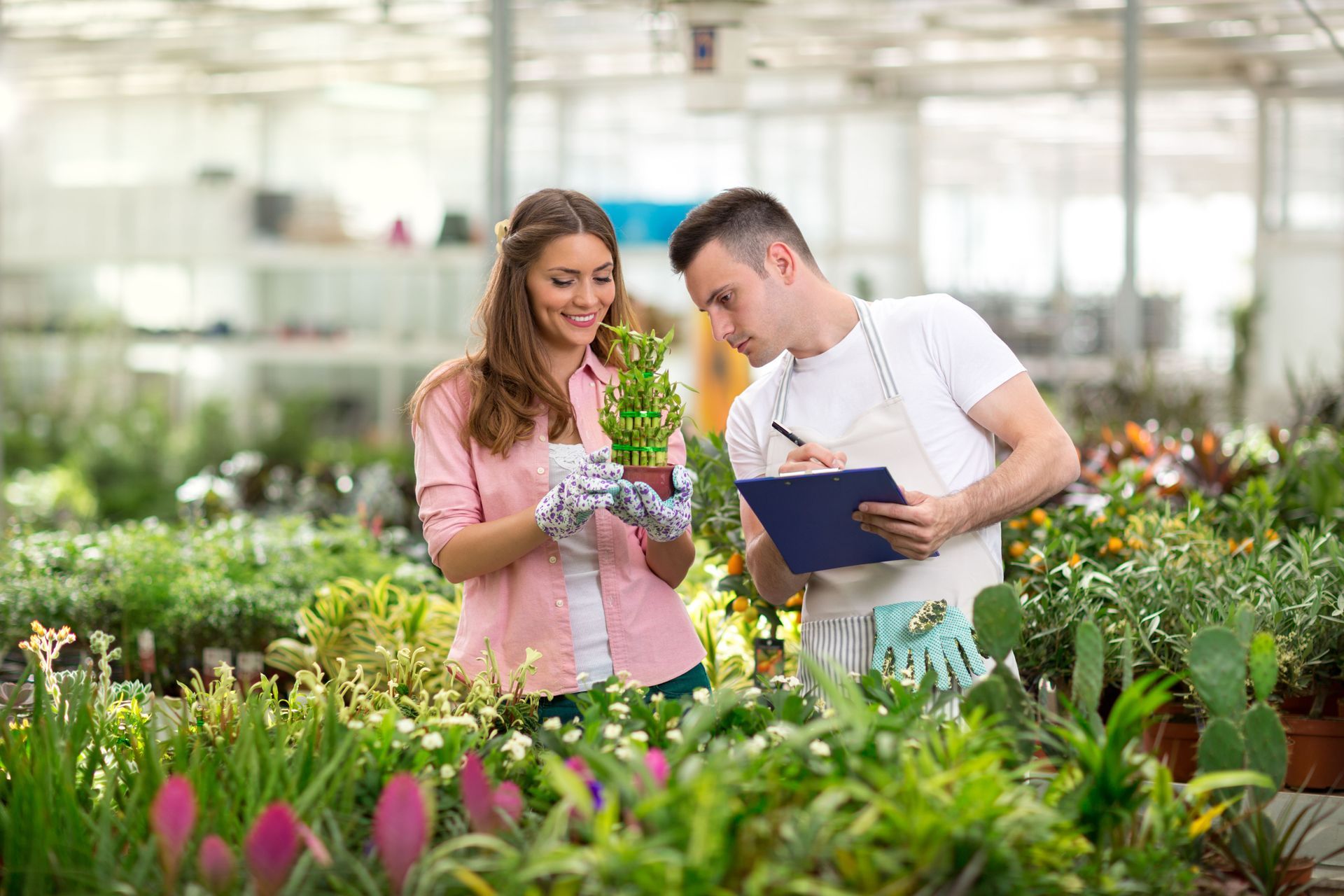
Preparing plant care supplies before extreme heat arrives can make it easier to respond to stress quickly. Products such as moisture meters can help homeowners determine whether soil is actually dry beneath the surface. Plant supports can protect stems and branches that may become weakened during stressful weather. Hand pruners can also be useful for removing severely damaged foliage when necessary. Homeowners can visit local garden centers to find moisture meters, pruning tools, supports, and other supplies for seasonal plant care. Keeping essential supplies organized allows homeowners to respond before minor stress develops into more serious damage. A well-prepared care routine can make it easier to maintain healthier plants throughout the hottest part of the year.
Adjust Care Practices During Heat Waves
Even high-quality products cannot replace regular observation and appropriate care. During heat waves, homeowners should inspect plants more frequently for wilting, curled leaves, discoloration, and dry soil. Containers may need water more often than plants growing directly in the ground because their limited soil volume can dry out quickly. Outdoor plants may also require temporary shade if temperatures rise significantly above their normal growing conditions. Watering is generally more effective when performed at an appropriate time that allows moisture to reach the root zone before intense heat increases evaporation.
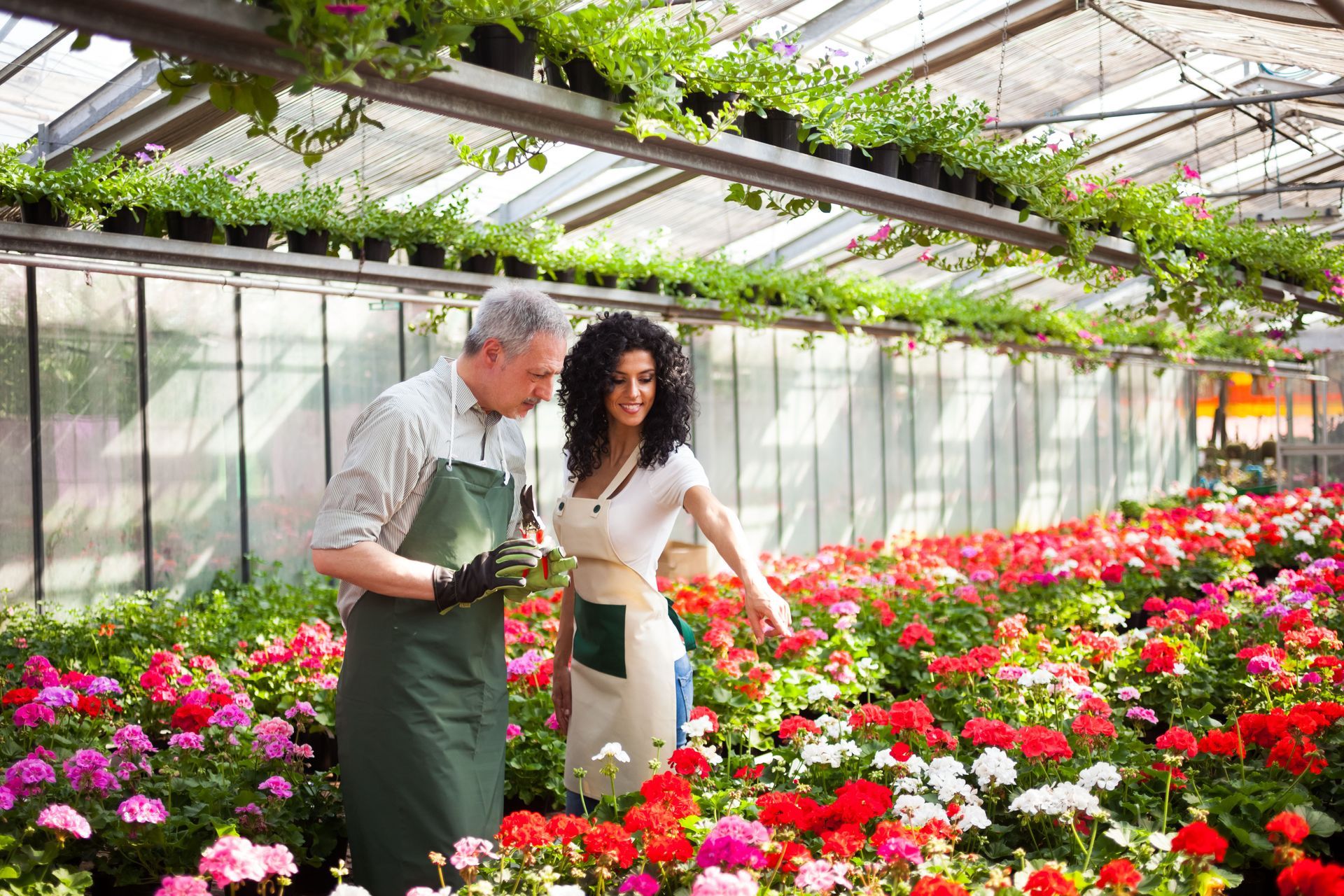
Whether you are protecting houseplants from hot indoor temperatures or helping outdoor greenery manage intense sunlight, professional product guidance can simplify the process. Give your plants the support they need to stay healthy and vibrant throughout the summer. Contact Deep Roots Garden Center today to find the right products for protecting your plants from heat stress.