January 9, 2026
Gardens are increasingly recognized as living environments that do more than enhance curb appeal. They support pollinators, strengthen soil systems, and create spaces where nature and daily life intersect. One plant that continues to gain attention for these combined benefits is the milkweed plant, a native option often underestimated for both its ecological value and visual presence. Known for supporting pollinators, reinforcing local ecosystems, and adding seasonal interest, milkweed offers far more than colorful blooms. Its ability to contribute to healthier landscapes makes it a meaningful choice for gardeners seeking long-term impact rather than short-lived trends. When thoughtfully incorporated into garden designs and paired with informed plant care, this plant helps transform outdoor spaces into balanced, resilient environments — setting the stage for the many reasons it deserves a place in gardens today.
1. Support Monarch Butterflies
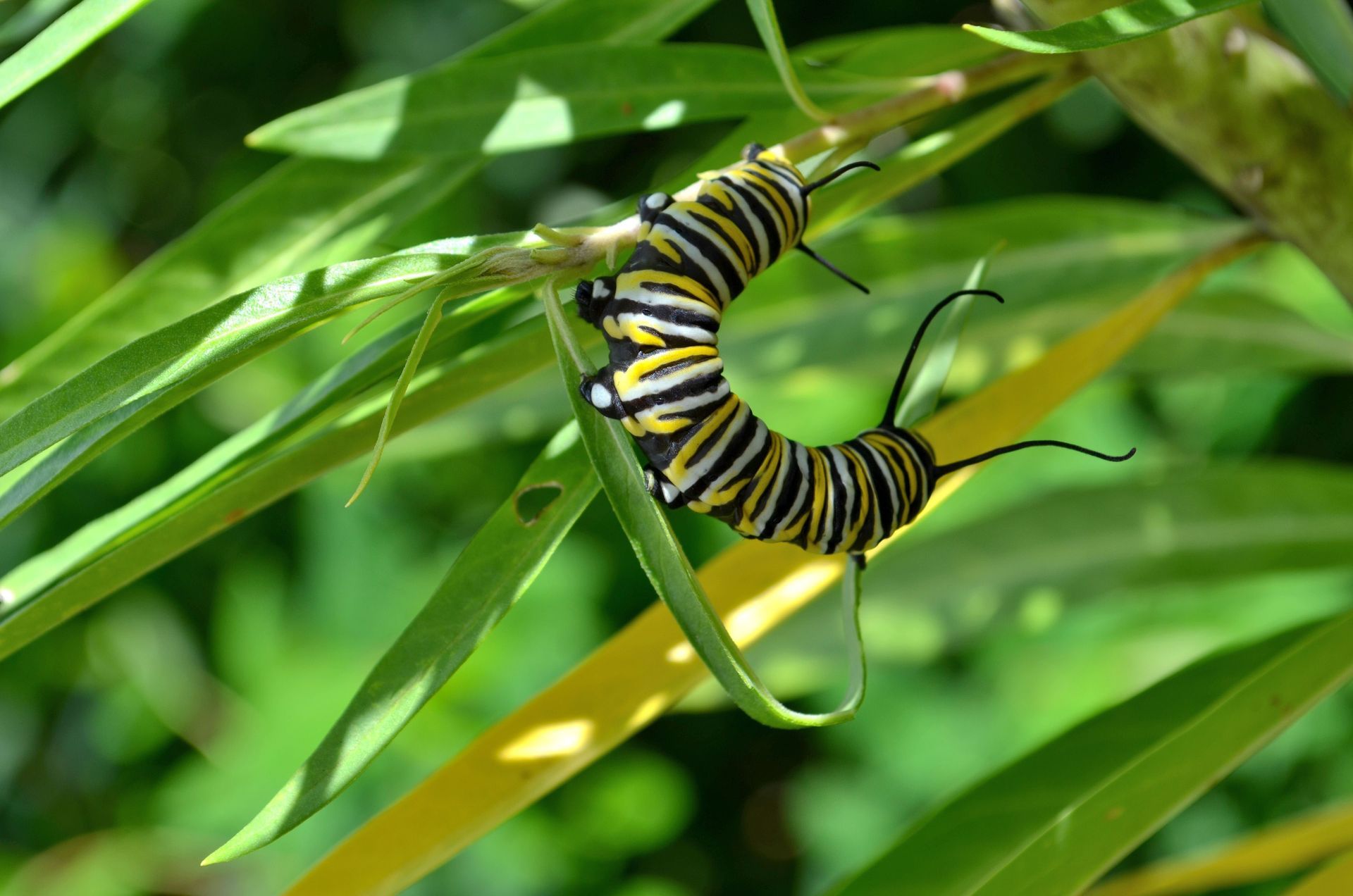
The milkweed plant plays a vital role in the lifecycle of monarch butterflies, serving as the only host plant for their larvae. Monarchs rely on milkweed leaves to lay eggs, ensuring caterpillars have immediate access to nourishment once they hatch. Without milkweed, this iconic butterfly species cannot complete its development. By including milkweed in garden landscapes, habitats are restored that help monarch populations persist across their long migration routes.
2. Strengthen Monarch Conservation Efforts
Habitat loss has significantly reduced the availability of milkweed in natural environments, making intentional planting increasingly important. The milkweed plant helps create a connected network of safe spaces for monarchs as they move through urban and suburban areas. According to The Spruce, more than one hundred native milkweed species exist across the United States, meaning gardeners can choose regionally appropriate varieties that naturally align with local conditions and conservation goals.
3. Encourage Biodiversity
Beyond monarchs, the milkweed plant attracts bees, beetles, hummingbirds, and other beneficial insects that contribute to healthy pollination cycles. These visitors support fruiting plants and flowering species throughout the garden, increasing overall plant vitality. As insect diversity grows, so does the stability of the ecosystem, creating a landscape that thrives through natural balance rather than chemical intervention.
4. Promote Natural Pest Control
The diverse insect activity encouraged by milkweed also draws predatory species such as lady beetles and lacewings. These beneficial predators help regulate populations of harmful insects, reducing the need for chemical treatments. A garden anchored by a milkweed plant often becomes more resilient, as natural checks and balances develop over time and support long-term plant health.
5. Improve Soil Structure
Deep root systems are another defining feature of the milkweed plant. These roots loosen compacted soil, improve water absorption, and help prevent erosion in sloped or exposed areas. As plant material naturally cycles back into the soil, organic matter increases, strengthening fertility and supporting healthier root environments for surrounding plants.
6. Control Erosion With Native Roots
Gardens located on inclines or near water runoff areas benefit greatly from milkweed’s anchoring abilities. The milkweed plant stabilizes soil and minimizes displacement during heavy rain, protecting both landscapes and nearby plantings. This makes it a practical addition for gardens seeking both visual appeal and environmental protection.
7. Add Seasonal Visual Interest
From vibrant summer blooms to distinctive seed pods in cooler months, the milkweed plant offers changing beauty throughout the year. Its flowers provide bold color accents, while seed pods add texture and movement as they mature. This seasonal transformation enhances garden aesthetics without overwhelming surrounding plantings.
8. Complement Perennial Designs
Milkweed integrates seamlessly with ornamental grasses, flowering perennials, and native plant groupings. Its structure and growth habits allow it to blend naturally into curated landscapes while still standing out as a focal point. The milkweed plant supports cohesive design choices that balance color, height, and ecological value.
9. Require Low Ongoing Maintenance
Once established, the milkweed plant adapts well to a range of soil conditions and weather patterns. Its natural resilience reduces ongoing maintenance demands while still providing consistent ecological benefits. This durability makes milkweed a reliable choice for gardens focused on longevity and sustainability rather than constant upkeep.
10. Support Wildlife-Focused Landscapes
Gardens designed to support wildlife benefit greatly from the inclusion of milkweed. Birds, insects, and pollinators use it as shelter and nourishment, turning gardens into active ecosystems. A thoughtfully placed milkweed plant enhances both the movement and life visible throughout outdoor spaces.
11. Encourage Educational Opportunities
Milkweed offers valuable learning opportunities for all ages by illustrating plant lifecycles, pollination, and ecological relationships. Observing monarch development and pollinator activity fosters appreciation for native plants and environmental awareness. Gardens featuring a milkweed plant often become spaces where curiosity and understanding naturally grow.
12. Highlight Ecosystem Connections
The interdependence between milkweed, insects, and soil health provides a clear example of how ecosystems function as integrated systems. Seeing these connections firsthand reinforces the importance of native plants in maintaining balance. The milkweed plant demonstrates how one species can support many others within a shared environment.
13. Advance Sustainable Gardening Goals
Sustainability is increasingly central to modern gardening, and milkweed supports this shift through reduced chemical reliance and improved habitat creation. By planting a milkweed plant, gardeners actively contribute to pollinator pathways and long-term environmental resilience. This approach aligns beauty with responsibility in outdoor spaces.
14. Adapt to Environmental Changes
Milkweed’s ability to tolerate varied conditions makes it well-suited for changing climates. Its strong roots and adaptive growth patterns help landscapes remain stable during fluctuations in weather. The milkweed plant serves as a reminder that native plants often hold the key to resilient garden design.
15. Contribute to Carbon Storage
Through photosynthesis and soil enrichment, milkweed contributes to carbon storage within plant material and surrounding soil. While modest on its own, widespread use of native plants like milkweed supports broader environmental efforts. The milkweed plant plays a quiet yet meaningful role in long-term ecological health.
16. Strengthen Pollinator Pathways
When planted across communities, milkweed becomes part of larger pollinator corridors that allow insects to move safely between habitats. These pathways reduce fragmentation and support genetic diversity among pollinator populations. A single milkweed plant can therefore connect gardens to a much larger ecological network.
17. Inspire Community Awareness
Gardens often serve as quiet educators within neighborhoods, and native plantings naturally spark curiosity and conversation. Increased butterfly activity and seasonal plant changes encourage discussions about pollinators, habitat loss, and environmental responsibility. These shared observations help normalize sustainable landscaping choices and inspire broader participation in environmentally mindful gardening.
18. Reinforce Long-Term Garden Planning
Native plants contribute to gardens that mature gracefully rather than requiring constant redesign. Their predictable growth patterns support thoughtful planning focused on balance and structure instead of frequent replacement. Including ecologically valuable plants ensures landscapes remain functional, attractive, and environmentally relevant over time.
A garden designed with intention supports far more than visual appeal. It becomes a living system that encourages biodiversity, strengthens soil health, and fosters meaningful connections between people and nature. Each plant choice contributes to how the space functions season after season, shaping resilience, balance, and long-term environmental value. Thoughtful landscapes also create moments of observation and learning, where growth, movement, and change are part of everyday enjoyment. At Deep Roots Garden Center, we help guide those choices with care and experience, offering plants, containers, and knowledgeable support that align beauty with purpose. Visit us to explore options that encourage sustainable growth, elevate your outdoor space, and help your garden thrive well into the future.